How to Start a Profitable Dropshipping Business A Beginner’s Guide
Want to start an e-commerce business without the headache of managing inventory? Dropshipping might be your answer. It’s a business model where you sell products online without holding any stock yourself. Instead, your supplier ships the products directly to your customers. Let’s get into how you can kickstart your own dropshipping venture.
🛒Shopify New 3-Month $1 Trial Start Your Dropshipping & E-Commerce Business Today👩🏻💻
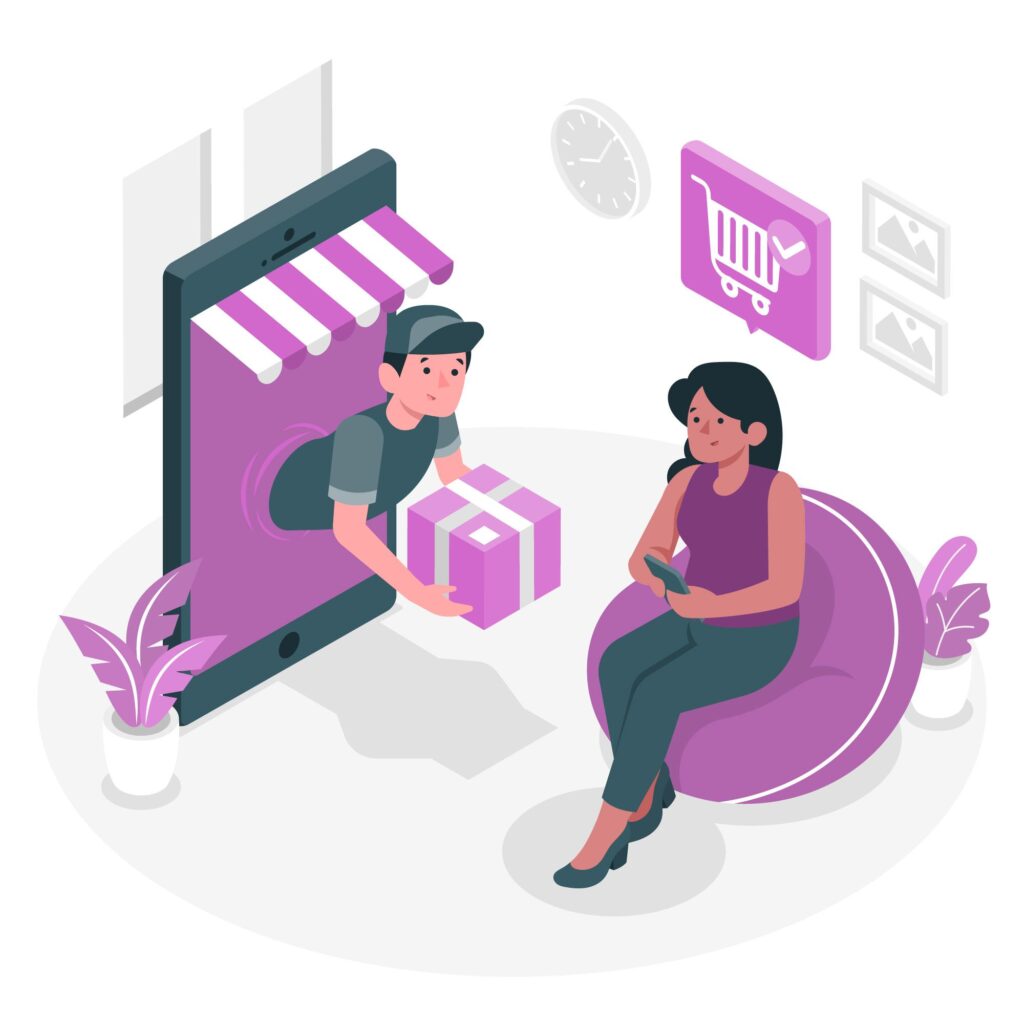
Introduction to Dropshipping
Dropshipping lets you focus on marketing and customer experience. You don’t have to worry about storing products or shipping them out. Your main job is to make sure customers find your store and have a great shopping experience. The dropshipping market is predicted to reach $476.1 billion by 2026, so there is ample opportunity for growth.
🚚Save Up to 91% with Easyship Global Courier Services!📦
Is Dropshipping Right for You?
Dropshipping is great for those with marketing skills who want to start a store with minimal upfront costs. You can start with just a laptop and internet access. However, you’ll have less control over the products, and competition can be intense. If your focus is on marketing and you don’t need a standout product, dropshipping might be a good fit.
1. Understanding Dropshipping
a. What is Dropshipping?
Let’s break it down. Dropshipping is a retail method where you, as the store owner, don’t keep the products you sell in stock. Instead, when a customer buys something from your store, you purchase the item from a third-party supplier, who then ships it directly to the customer. It’s like being the middleman, but without ever having to touch the product.
b. Why Choose Dropshipping?
Why go for dropshipping? Well, the beauty of it is in its simplicity. Forget about inventory management, warehousing costs, and complicated shipping logistics. You get to focus on the fun stuff: marketing and providing excellent customer service. These are the things that truly make or break a business, right?
c. Benefits of Dropshipping
- Low Startup Costs: You don’t need a huge pile of cash to get started since you avoid investing in inventory upfront.
- Flexibility: Run your business from anywhere as long as you have an internet connection. Hello, coffee shops and exotic beaches!
- Wide Product Selection: Offer a vast array of products without worrying about stocking them. The sky’s the limit!
d. Challenges in Dropshipping
Dropshipping isn’t all sunshine and rainbows. There are a few hurdles you’ll need to jump over!
- Low Margins: Competition can be fierce, potentially driving prices down and squeezing your profit margins.
- Inventory Issues: It can be tricky to keep tabs on stock levels when you’re relying on external suppliers.
Common Pitfalls to Avoid
One common mistake is not doing enough research. Jumping into a niche without understanding the market can lead to failure. Also, neglecting customer service is a big no-no. Happy customers are repeat customers!
2. Choosing a Niche
a. Identifying Profitable Niches
Finding the right niche is super important. You want products that are in demand but not already drowning in competition. Think about what you’re passionate about or what problems you can solve for people.
b. Researching Trends
Tools like Google Trends can help you spot up-and-coming products. Keep an eye on what’s hot and what’s not. For example, if eco-friendly products are trending, maybe that’s a niche worth exploring.
3. Market Research
Tools for Market Research
Use tools like SEMrush, Ahrefs, or even social media to get a feel for what people are interested in. Understanding your audience is crucial for tailoring your marketing efforts and making sure you’re offering products they actually want to buy.
Finding Suppliers
Types of Suppliers
You can source products from various suppliers: manufacturers, wholesalers, and online marketplaces like AliExpress. Each has its pros and cons, so do your homework.
Evaluating Supplier Reliability
Make sure your suppliers are reliable and offer quality products. Nothing kills a business faster than poor-quality goods or missed shipments. Check reviews, ask for samples, and test their responsiveness.
Setting Up Your Online Store
Choosing the Right E-commerce Platform
Platforms like Shopify and WooCommerce are popular for dropshipping. They offer user-friendly interfaces and tons of integrations to make your life easier.
Shopify is great if you want an all-in-one solution where everything is managed for you.
WooCommerce, on the other hand, gives you more control but requires a bit more technical know-how.
Designing Your Store
Your online store is your digital storefront, so make it inviting! A clean, easy-to-navigate layout can significantly impact your sales.
Customizing Your Store
Customize your store to reflect your brand. Use a consistent color scheme, choose readable fonts, and make sure your logo is prominently displayed.
Creating Product Listings
Writing Compelling Descriptions
Your product descriptions should be engaging and informative. Highlight the benefits and features of each product to entice potential buyers. Think about what you would want to know if you were buying the product.
Importance of High-Quality Images
High-quality images are a must. People want to see what they’re buying, so invest in good visuals that showcase your products in the best possible light.
Pricing Strategies
Setting Competitive Prices
Setting prices can be tricky. You need to consider your costs, competitor pricing, and the perceived value of your product. Don’t be afraid to experiment a little to find the sweet spot.
Understanding Customer Needs
Think about what your customers are willing to pay. Are they looking for the cheapest option, or are they willing to pay more for higher quality or unique features?
Marketing Your Dropshipping Business
Utilizing Social Media
Social media is your best friend. Platforms like Instagram, Facebook, and TikTok are powerful tools for reaching potential customers.
Email Marketing
Building an email list allows you to connect directly with your audience. Send out newsletters, promote new products, and offer exclusive discounts to keep them engaged.
SEO for Dropshipping
SEO (Search Engine Optimization) helps people find your store through search engines like Google. Focus on keyword research, on-page SEO, and building backlinks to improve your visibility.
Paid Advertising Options
Consider using paid advertising options like Google Ads or social media ads to drive traffic to your store. These can be highly effective if done right.
Managing Orders and Customer Service
Efficient order management and excellent customer service are crucial for keeping customers happy. Use automation tools to streamline your processes and ensure timely communication.
Customer Retention Strategies
Happy customers are repeat customers. Implement strategies like loyalty programs, personalized recommendations, and proactive customer service to keep them coming back.
Analyzing Performance
Key Metrics to Track
Keep an eye on metrics like conversion rates, average order value, and customer acquisition costs. These numbers tell you what’s working and what’s not.
Using Analytics Tools
Tools like Google Analytics can provide valuable insights into your store’s performance. Use this data to make informed decisions and optimize your business.
Scaling Your Business
Expanding Product Lines
As your business grows, think about expanding your product lines to cater to a wider audience.
Outsourcing Tasks
Consider outsourcing tasks like customer service or marketing to free up your time and focus on the bigger picture.
Conclusion
Starting a profitable dropshipping business takes effort, but it’s totally achievable. By understanding the basics, choosing the right niche, and marketing effectively, you can build a successful online store. So, what are you waiting for? Dive in and start your dropshipping adventure today!
FAQs
Common Questions
1. What is the best platform for dropshipping?
Shopify and WooCommerce are popular choices, each with its own strengths. Shopify is more user-friendly, while WooCommerce offers more customization.
2. How much money do I need to start a dropshipping business?
You can start with a few hundred dollars, depending on your marketing strategy and platform fees.
3. Is dropshipping still profitable?
Yes, with the right niche and approach, dropshipping can still be profitable. The key is to find underserved markets and offer high-quality products.
4. How do I find reliable suppliers?
Research suppliers through platforms like AliExpress, Alibaba, or SaleHoo, and read reviews to ensure reliability.
5. What are common mistakes to avoid in dropshipping?
Avoid underpricing your products, neglecting customer service, and failing to conduct thorough market research.
